












Index
What are the proper tire/oleo pressures for Wipline floats?
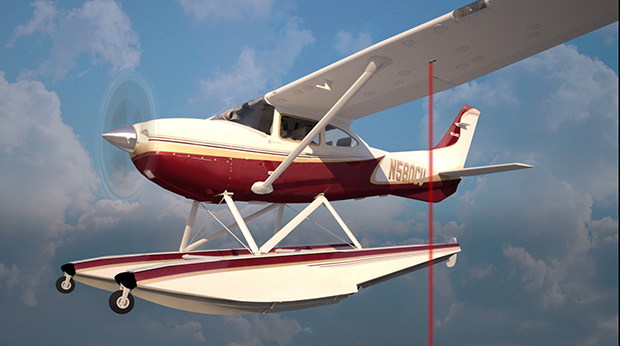
What are the aircraft tail heights on Wipline floats?
What are the proper tire/oleo pressures for Wipline floats?
| Float | Oleo | Nose Wheel | Main Wheel |
| 2100 | NA | 50 PSI | 50 PSI |
| 2350 | NA | 50 PSI | 50 PSI |
| 3000 | NA | 50 PSI | 50 PSI |
| 3450 | NA | 50 PSI | 50 PSI |
| 3730 | 300 PSI/250 ML | 38 PSI | 38 PSI |
| 4000 | 350 PSI/275 ML | 38 PSI | 38 PSI |
| 6100 | 175 PSI/950 ML | 40 PSI | 40 PSI |
| 7000 | See Service Manual | 60 PSI +/- 5 PSI | 50 PSI +/- 5 PSI |
| 8000 | 210 PSI/1140 ML | 60 PSI | 45 PSI |
| 8750 | 425 PSI (+/- 30 PSI)/1152 ML | 60 PSI +/- 5 PSI | 60 PSI +/- 5 PSI |
| 9000 | 210 PSI/1140 ML | 60 PSI | 45 PSI |
| 13000 | 250 PSI/1900 ML | 50 PSI | 50 PSI |
What are the aircraft tail heights on Wipline Amphibious Floats?
| Aircraft | Tail Height |
| Twin Otter on 13000A Floats | 22’8″ |
| Single Otter on 8000A Floats | 20’6″ |
| Cessna Caravan 208 on 8000A Floats | 17’6″ |
| Cessna Caravan 208 on 8750A Floats | 17’11” |
| Cessna Grand Caravan 208B and 208B EX on 8750A Floats | 17’9″ |
| KODIAK on 7000 Amphibious Floats | 18′ 5″ |
| Turbo Beaver MK II on 6100A Floats | 16’2″ |
| Wippy Turbo Beaver MK 1 on 6100A Floats | 14’1″ |
| Beaver MK 1 on 6100A Floats | 14’1″ |
| Cessna Stationaire 206 on 4000A Floats | 12’10” |
| Cessna Stationaire 206 on 3730A Floats | 13’5″ |
| Cessna Stationaire 206 on 3450A Floats | 13’5″ |
| Cessna Skywagon 185 on 4000A Floats | 12’8″ |
| Cessna Skywagon 185 on 3730A Floats | 12’6″ |
| Cessna Skywagon 185 on 3450A Floats | 12’10” |
| Cessna Skylane 182 on 3000A Floats | 13′ |
| Cessna Skywagon 180 on 3000A Floats | 12’10” |
| Maule MX7-235,260 on 3000A Floats | 10’7″ |
| Cessna Skyhawk 172 on 2350A or 2100A Floats | 11′ |
| Cessna Skyhawk 172XP on 2350A Floats | 11′ |
| Husky on 2100A Floats | 11’3″ |
| Champion Scout on 2100A Floats | 11′ |
| Glastar on 2100A Floats | 10’6″ |
| Piper PA18 or PA12 on 2100A Floats | 10’2″ |
*Tail heights vary due to weight and other factors
Displacement for Wipline Floats
| Model 2100 | ||||
| Amphibious | 100% | 2,185 lbs | 80% | 2,428 lbs |
| Seaplane | 100% | 2,323 lbs | 80% | 2,581 lbs |
| Model 2350 | ||||
| Amphibious | 100% | 2,432 lbs | 80% | 2,702 lbs |
| Seaplane | 100% | 2,570 lbs | 80% | 2,855 lbs |
| Model 3000 | ||||
| Amphibious | 100% | 3,125 lbs | 80% | 3,472 lbs |
| Seaplane | 100% | 3,301 lbs | 80% | 3,668 lbs |
| Model 3450 | ||||
| Amphibious | 100% | 3,600 lbs | 80% | 4,000 lbs |
| Seaplane | 100% | 3,776 lbs | 80% | 4,195 lbs |
| Model 4000 | ||||
| Amphibious | 100% | 3,672 lbs | 80% | 4,080 lbs |
| Seaplane | 100% | 3,802 lbs | 80% | 4,224 lbs |
| Model 6100 | ||||
| Amphibious | 100% | 5,518 lbs | 80% | 6,131 lbs |
| Seaplane | 100% | 5,664 lbs | 80% | 6,293 lbs |
| Model 7000 | ||||
| Amphibious | 100% | 6,808 lbs | 80% | 7,500 lbs |
| Model 8000 | ||||
| Amphibious | 100% | 7,922 lbs | 80% | 8,802 lbs |
| Seaplane | 100% | 8,108 lbs | 80% | 9,009 lbs |
| Model 8750 | ||||
| Amphibious | 100% | 8,240 lbs | 80% | 9,155 lbs |
| Seaplane | 100% | 8,741 lbs | 80% | 9,712 lbs |
| Model 13000 | ||||
| Amphibious | 100% | 12,442 lbs | 80% | 13,824 lbs |
| Seaplane | 100% | 12,844 lbs | 80% | 14,271 lbs |





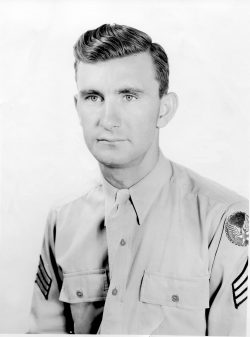 Ben Wiplinger had a strong interest in aviation long before he began working on Wipline floats. As a child, he built his own glider in the backyard of his parent’s home. Out of concern for his safety, his parents dismantled the aircraft before he could take it on its maiden voyage. His passion for aviation grew stronger as he went on to study aerospace engineering at the University of Minnesota before moving to California to work for Douglas Aircraft for a period of time. He then returned to Minnesota to work for Northwest Air Activities and Peterson-Curtiss Flying Service at the St. Paul Airport. At the age of 25, Ben was one of only six certified aircraft mechanics working in the Minneapolis/St. Paul area. Ben was drafted into the Army Air Forces of the United States before Pearl Harbor and spent time working in Albuquerque, New Mexico, where he developed a pre-oiling system to help the performance of the bombers. He was awarded several decorations by the military for this engineering contribution.
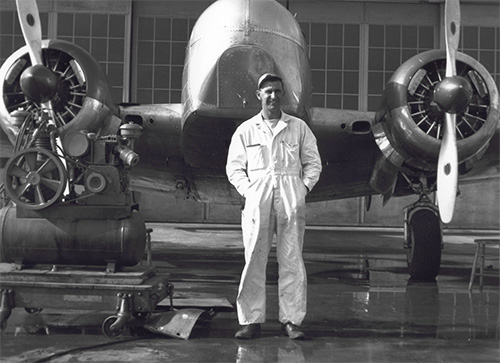 After WWII, Ben returned once again to his roots in Minnesota and began converting surplus military aircraft into corporate aircraft at South St. Paul Airport. By the close of the 1940s, Ben was operating Wiplinger Aircraft Service, an FBO offering fuel service, aircraft sales, maintenance, restoration and upholstery.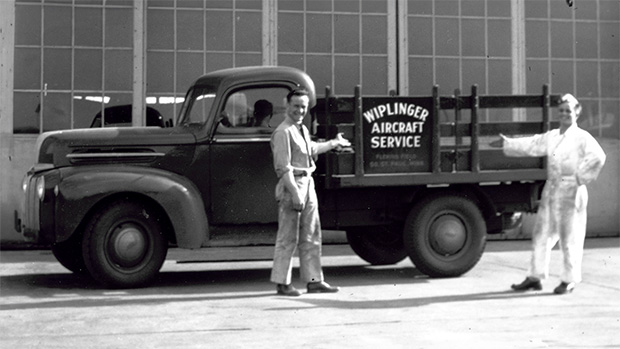
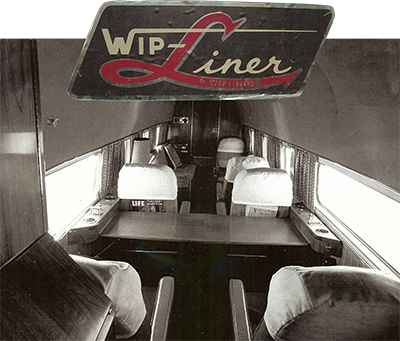
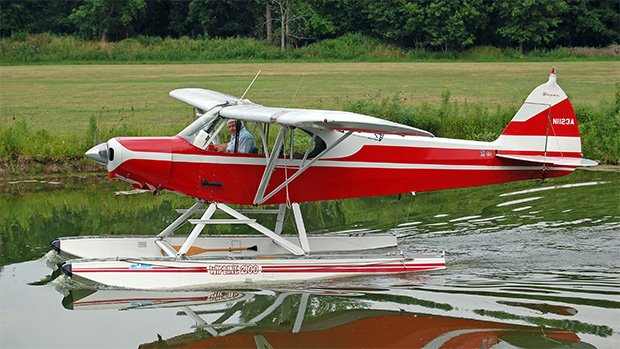
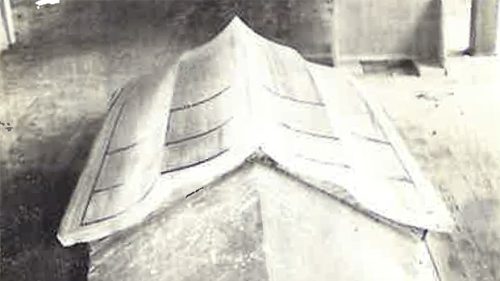
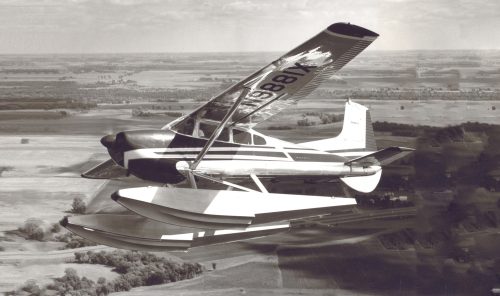
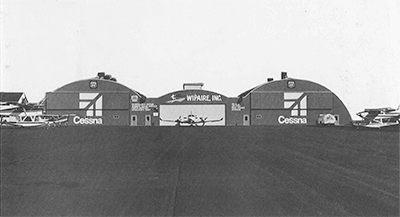
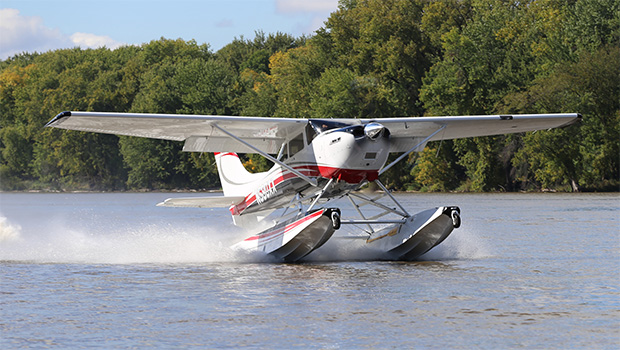
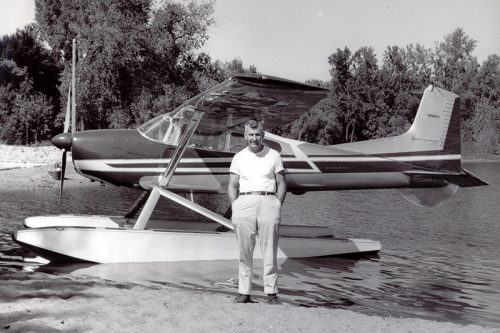 In 1960 Ben officially incorporated Wipline Inc and set to work creating his first set of floats. He purchased a Cessna 185, N9881X, to test the floats on. To create a better float Ben worked with experts at 3M to develop a metal bonding technique that would allow him to use fewer rivets and therefore acheive a smoother and lighter float. It took 3 years and $8000 to get the patent on this process but Ben knew it was the way to go. Another innovative idea was the flat top on the float. This allowed pilot and passengers to maneuver into and out of the airplane with much less risk of taking an impromptu swim. He soon sold his first set of floats. They were sold in 1962 to Ontario Central Airlines. Soon the Cessna 185 was Certified on 3700 and 3900 Floats followed by the 206 on 3700, 3900 and 3730’s. The Wipline Inc facilities were all located on Fleming Field and they produced around 30 sets of floats in these first 10 years.
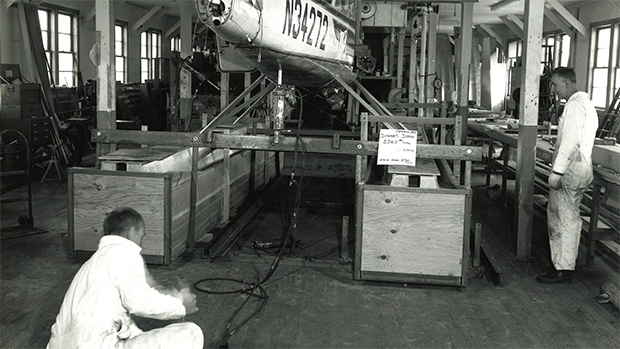
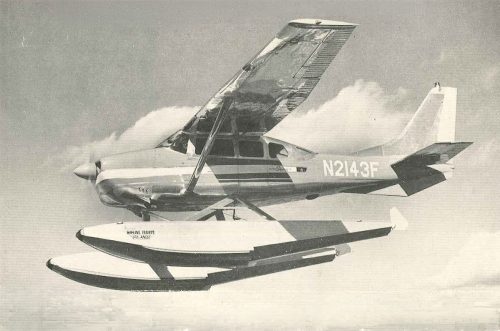
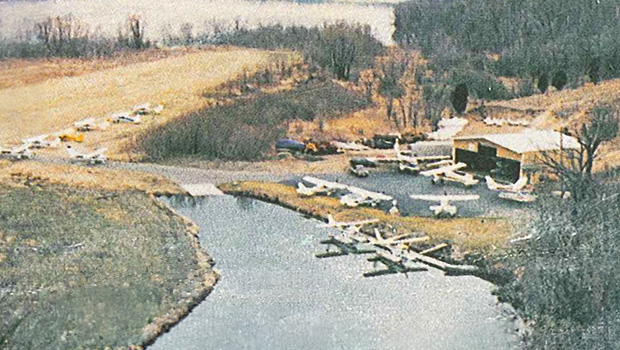
 Bob “Wip” Wiplinger began working at Wipline Inc. in 1970 after receiving his aeronautical engineering degree from U of M and spending a few years working for Honeywell. In 1971, after Ben purchased the 160 acres of land along the Mississippi River, float manufacturing moved down to the River Road facility and the seaplane base was established.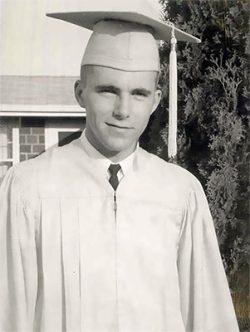
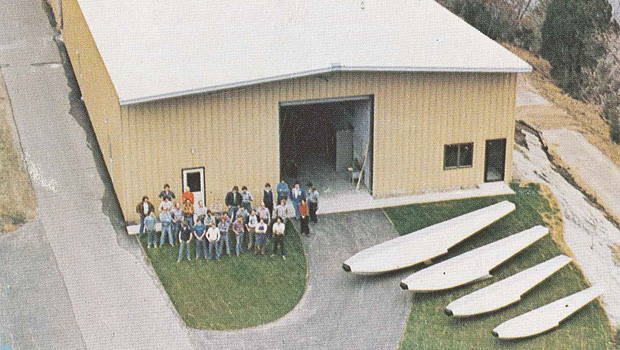
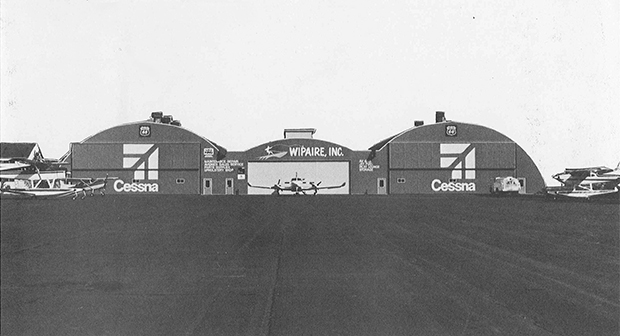
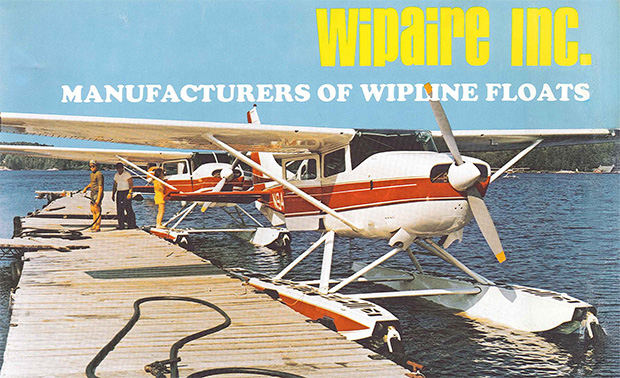
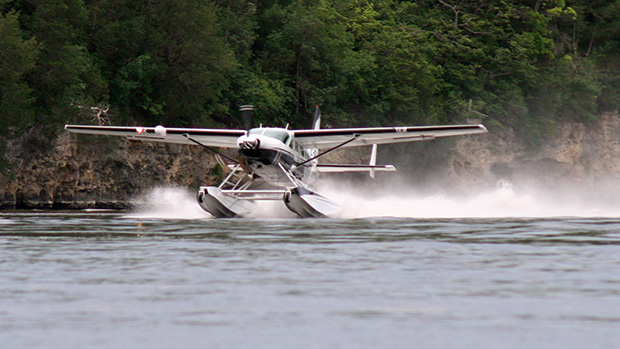
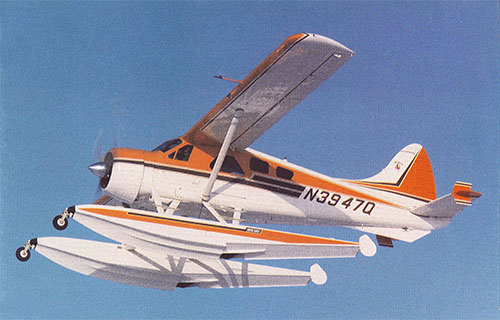 The 80’s kicked off with the introduction of the Wipline 6000 Float for the de Havilland Beaver in 1982. More than 10 modifications for the Beaver were introduced over then next few years allowing Wipaire to transform the Beaver to a true Seaplane workhorse. In 1988 the Wipline 8000 Floats for the Cessna Caravan were released. This was one of our most popular float models until it was superseded by the Wipline 8750 float. Rick Wahlman was brought on board in ‘89 to start an Avionics department to better serve our customers. The Refinishing department was also started at this time and allowed us to provide in house paint services to be sure our customers left with their dream plane. By the mid-80’s Wipaire had grown to 35 employees and had sold an incredible 700 sets of floats.
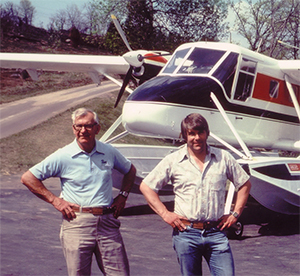 Nomad Approved on 9500 Amphibian Floats. During the late seventies Ben and Bob decided to tackle a huge project, the Nomad. Though the Nomad Aircraft had a short production run and only resulted in a few sales the design for the Nomad float opened the door to other larger scale projects and became the foundation for the popular Wipline 8000 Float.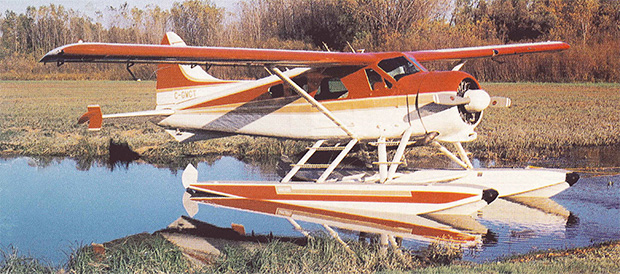
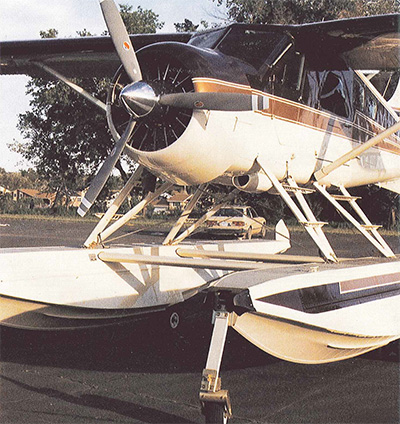 The Wipaire Super Beaver is introduced. This incorporated all the Beaver mods offered by Wipaire, plus an airframe restoration second to none.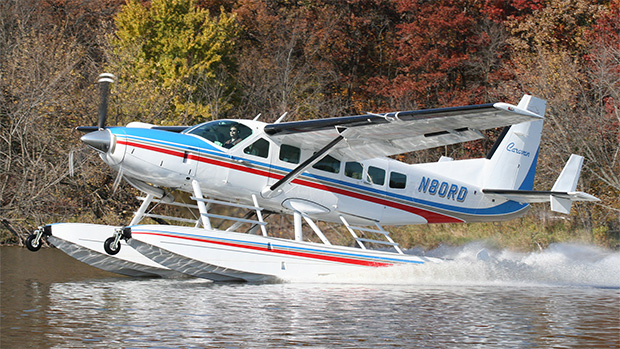
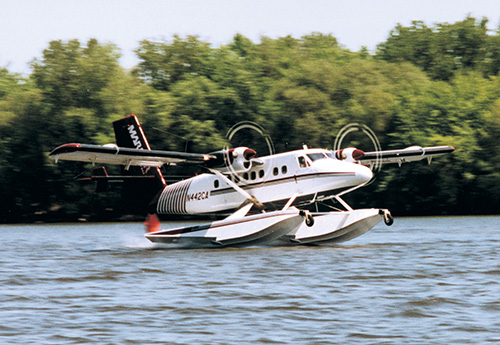 The 90’s saw many new modifications and float certifications. The Cessna 206 co-pilot door and “Wip” tips wing extensions, gross weight increases for the Piper Cub and Cessna Caravan, and numerous other modifications were certified. Our largest floats ever, the Wipline 13000, were certified on the Twin Otter in 1992. Our interiors shop was also opened to provide a well-rounded service experience.The “Boss Beaver” was introduced in 1996. It combined a selection of our beaver modifications, a turbine engine and our 6000 floats to create a true performance seaplane. The smallest float in the Wipline family was introduced in ‘97, the Wipline 2100. The 2350, 3000 and 4000 also joined the team in the 90’s.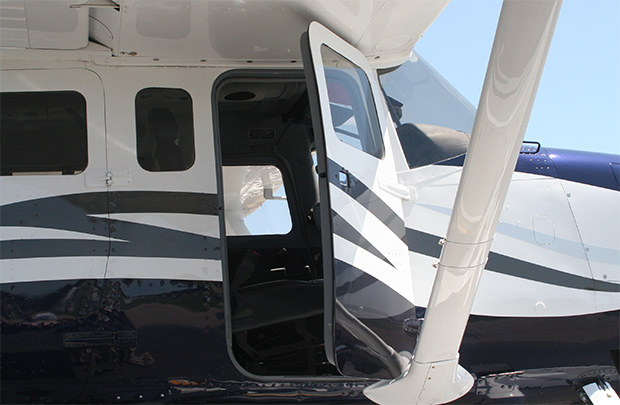
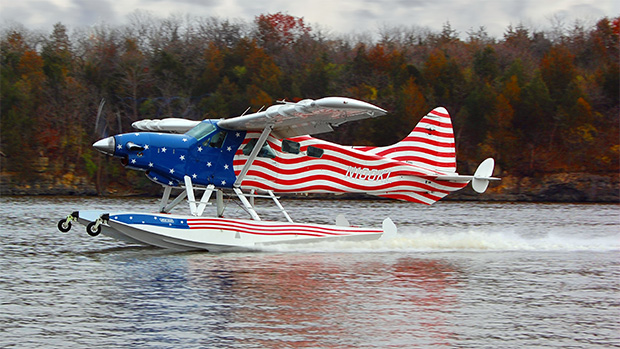
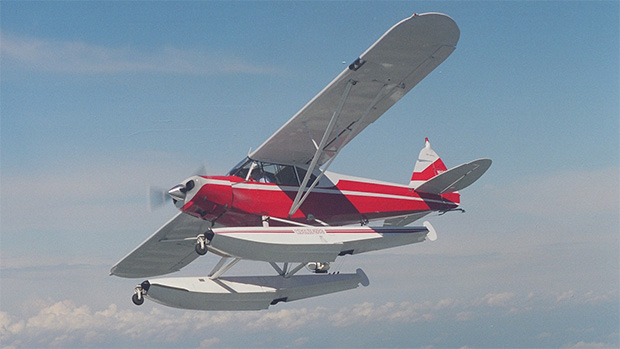
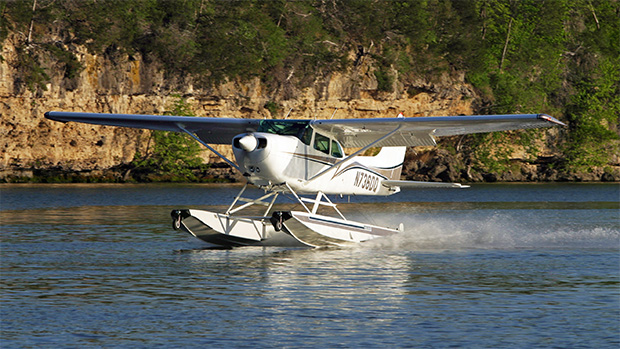
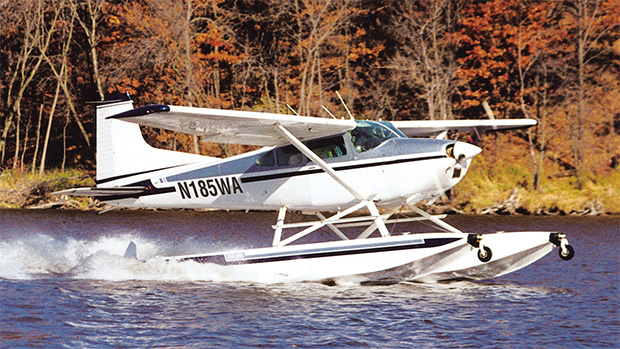
 The new century kicked off with the next generation of Wiplingers coming to work for Wipaire. Nancy started in 2000 and Charlie came to Wipaire in 2003.
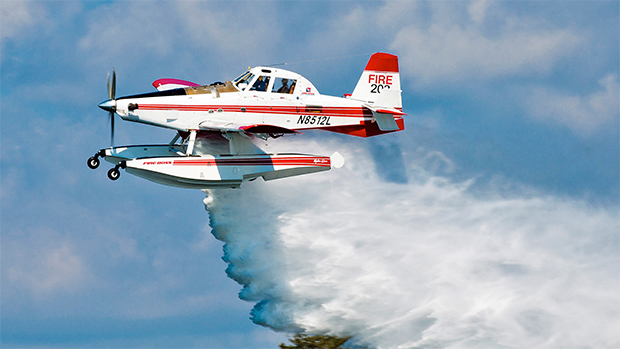
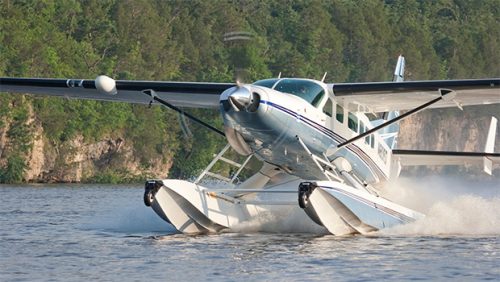
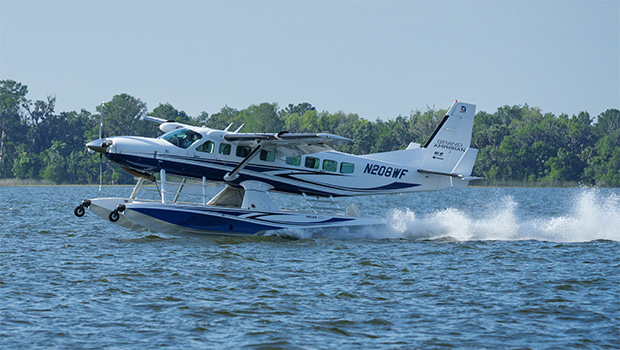
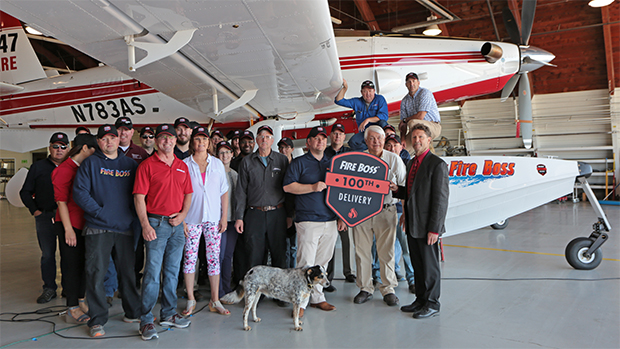
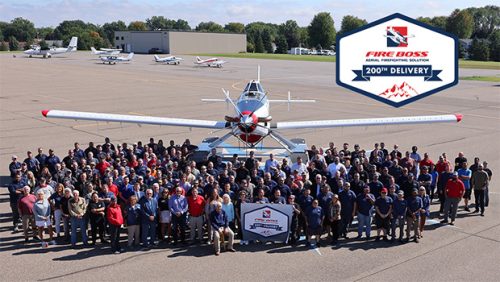 In 2020, Wipaire celebrated 60 years of building Wipline floats. The new year also brought changes to leadership at Wipaire. Bob “Wip” Wiplinger entered semi-retirement and his son, Charlie Wiplinger, took the helm as CEO. Bob served as President since 1979 when he purchased the company from his father and founder, Ben Wiplinger. Wip continued to serve as Chairman of the company. Charlie had held the title of President since 2011 and he is now President & CEO.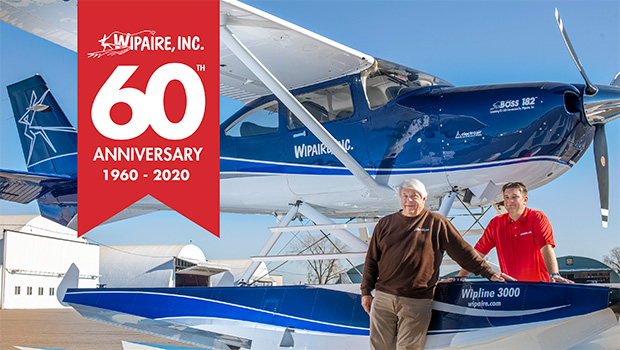
 Bob Wiplinger passed away peacefully on August 4th, 2026.